Your Cart
Your cart is empty
Browse the Market, explore Reserve selections, or discover a Beef Flight.
The story behind Vorfreude
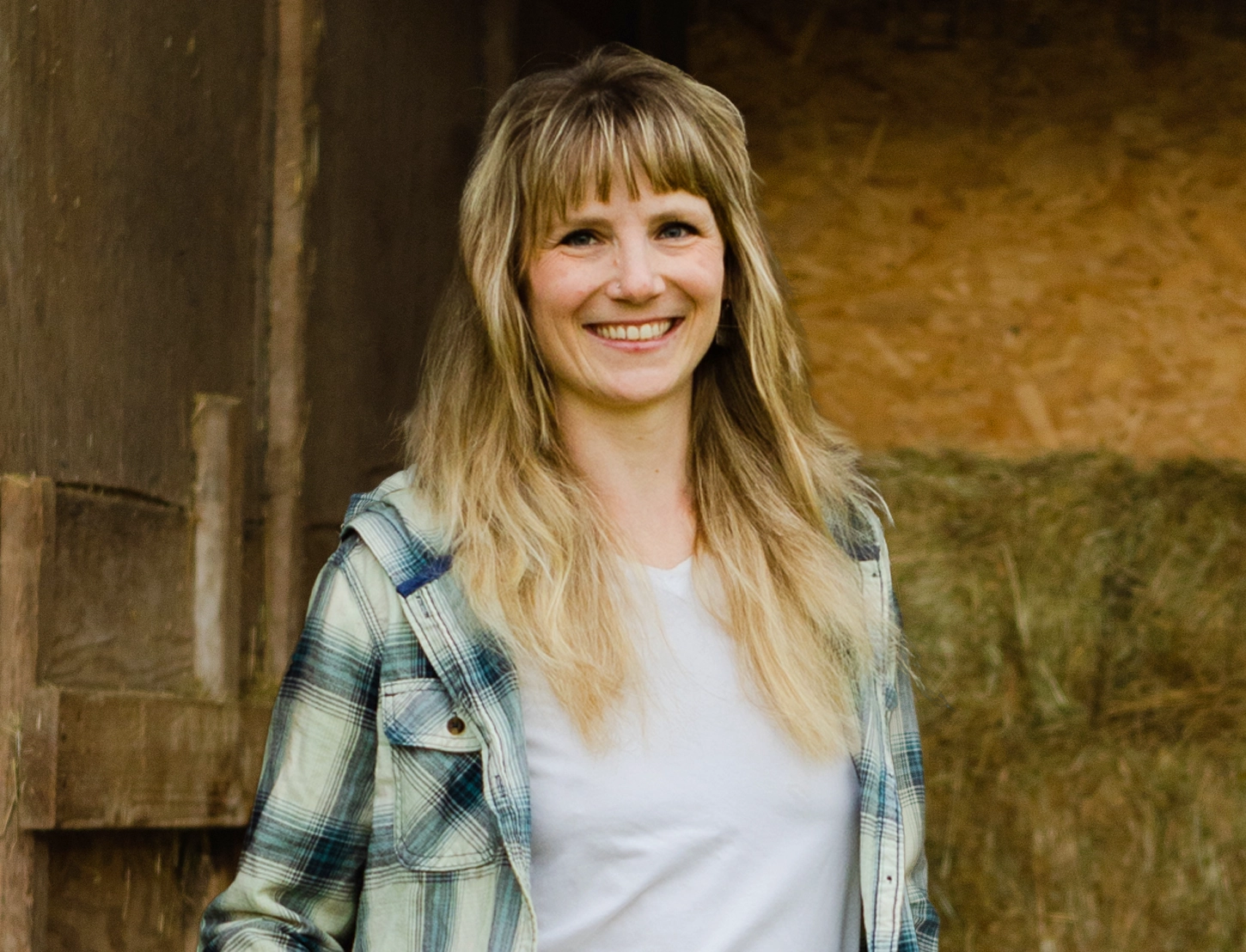
Rachel.
I never planned on building another beef company. I simply believed these animals deserved a better ending, and people deserved to know exactly where their food comes from.
My story
A city kid
who dreamed
of cattle.
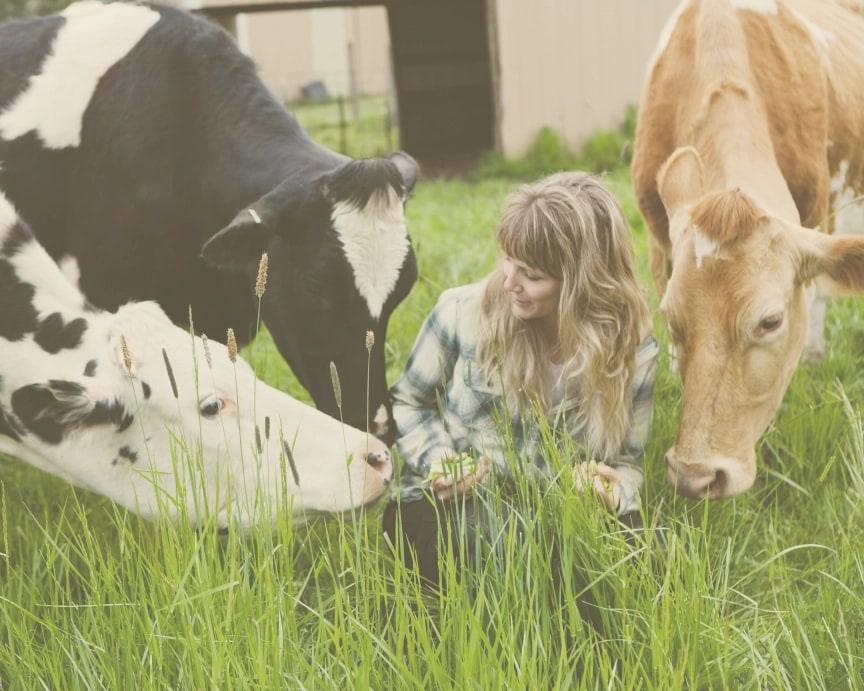
I grew up in the city, but my mind was always somewhere else. I'd look at cattle in fields and feel a pull I couldn't explain. Nobody in my family farmed. Nobody understood the draw. But the feeling never left — quiet, patient, waiting.
Eventually I went to Australia. The scale of the operations, the openness of the land, the way people worked with animals as part of daily life — something clicked. I came back knowing agriculture was the path.
I started reading everything about beef — breeds, finishing, grading, labels. The more I read, the more I realized the labels weren't answering my questions. I wanted to know the animal. Not the version on the packaging — the real version, the one you can only see when you're standing next to the carcass and making decisions with your hands. That was the turning point. If I wanted beef I could stand behind, I'd have to build the whole thing myself.
"The openness of the land — the way people
worked with animals as part of daily life.
Something clicked."
The work
Years of curiosity,
not overnight.
Vorfreude wasn't built in a moment. It was built through years of asking questions, standing in freezers, and learning from everyone who'd teach me.
01
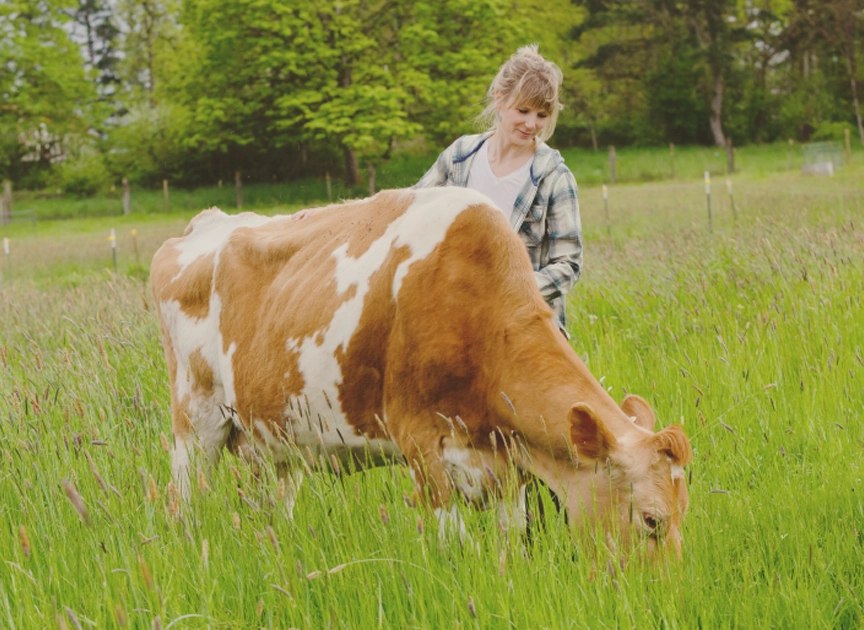
Evaluating cattle
I learned to read an animal on the hoof — body condition, fat cover, structural soundness. The assessment starts long before processing. It starts with the decision to bring an animal in at all.
02
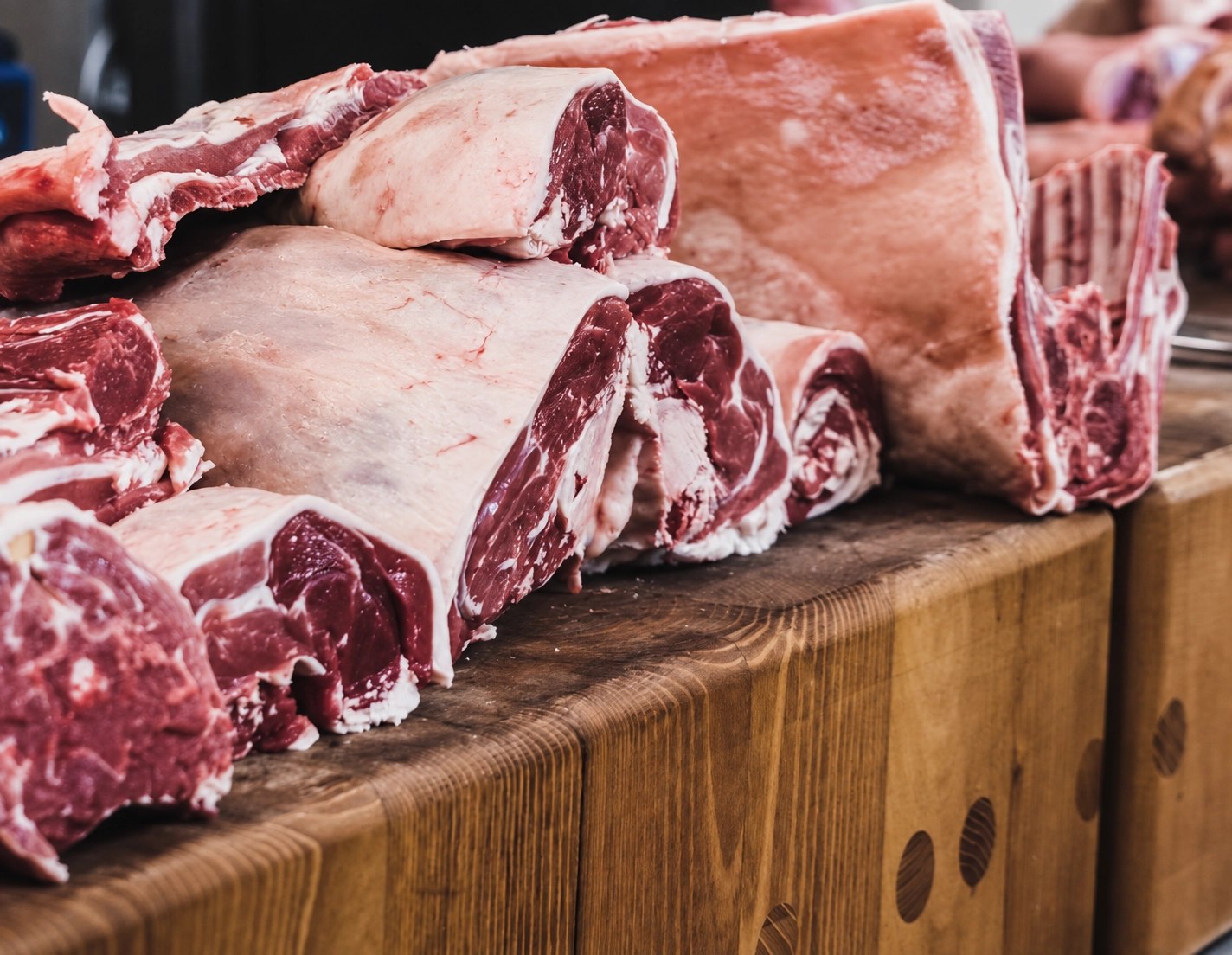
Butchery
I learned to break down carcasses. Not to be a butcher, but to understand the architecture of the animal — where each cut lives, how the muscle groups connect, what the fat tells you about the life that animal lived.
03
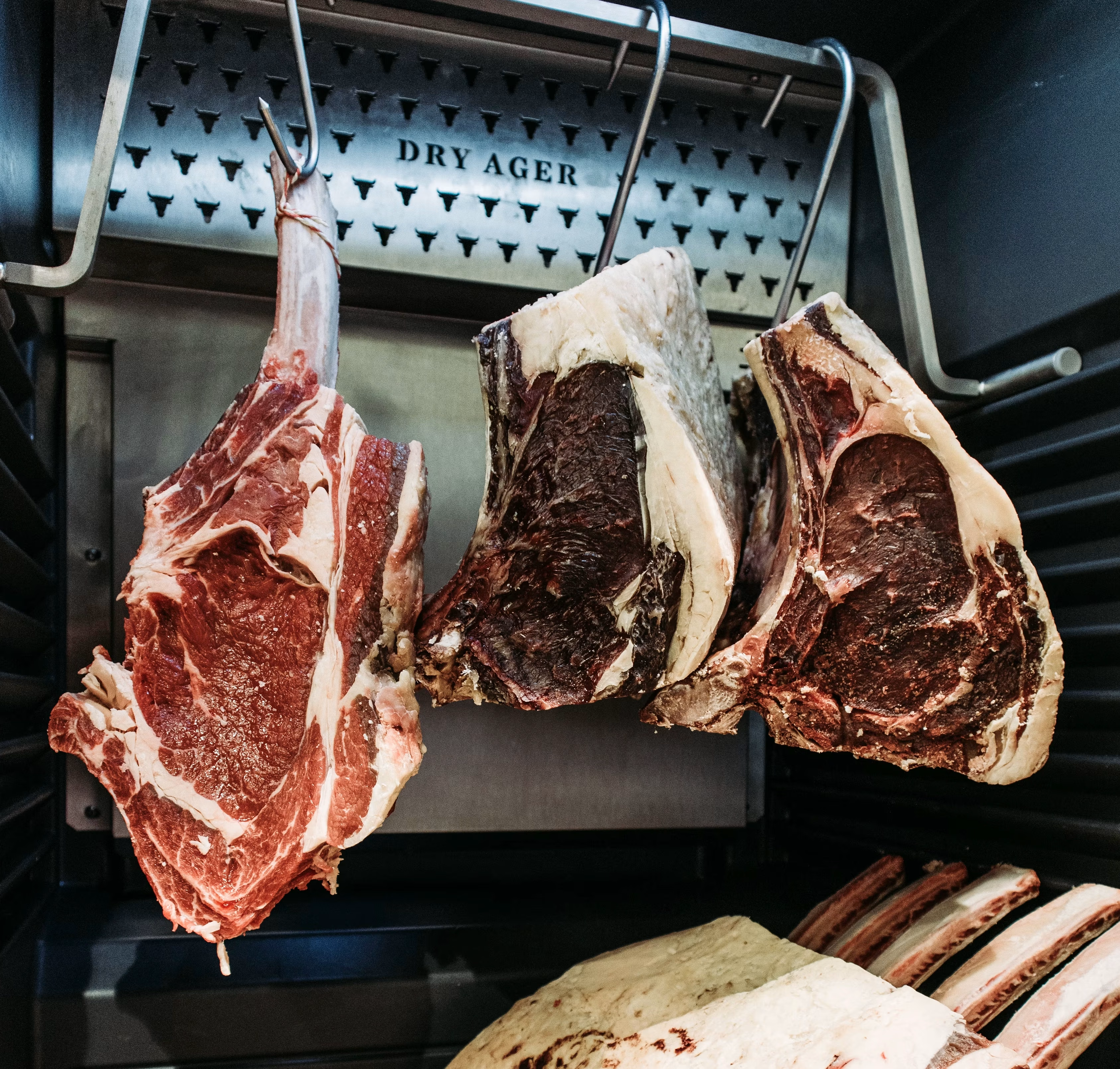
Flavor & aging
I studied how flavor develops — through finish, through age, through time on the hook. I learned that dairy animals age differently than beef breeds, and that the only honest way to know is to assess each one individually.
What guides the work
"I want to know the animals, understand where they came from, and make sure what they provide is treated with care."
01
Every animal deserves respect.
Not as a slogan — as a practice. Respect means assessment, care, and full use. It means the animal's life matters in how it's handled after.
02
Flavor begins long before processing.
The way an animal is finished, its age, its breed, its life — all of it shows up on the plate. You can't fake good flavor. You can only earn it.
03
Knowing where your food comes from should feel normal.
Not special. Not premium. Normal. Everyone should be able to look at their plate and know the story behind it.
Life beyond beef
The person
behind the beef.
Customers enjoy knowing me as a person. I don't hide that. Here's what fills my days when I'm not in the freezer.
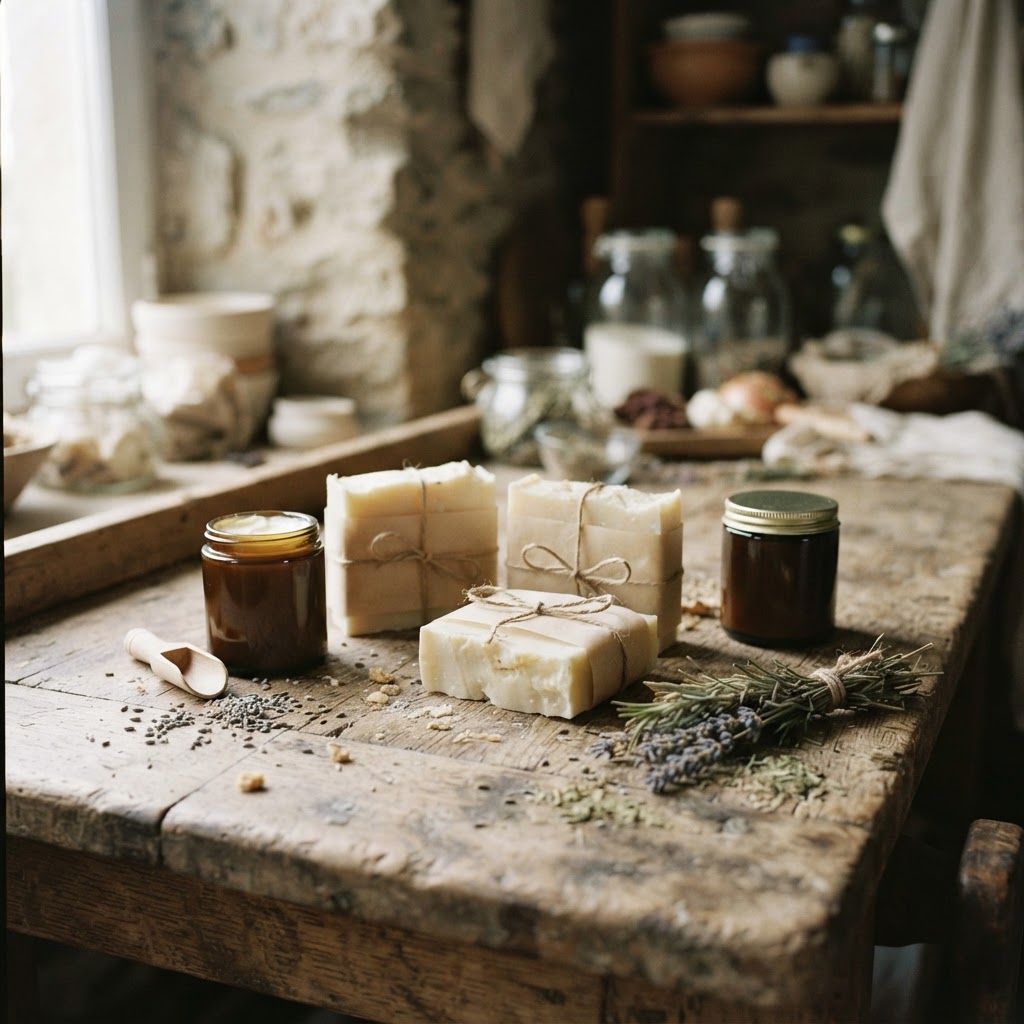
The Tallow Collection
The fat that doesn't go to cooking gets rendered into tallow. What started as full-animal use is becoming its own collection of goods. Nothing wasted.
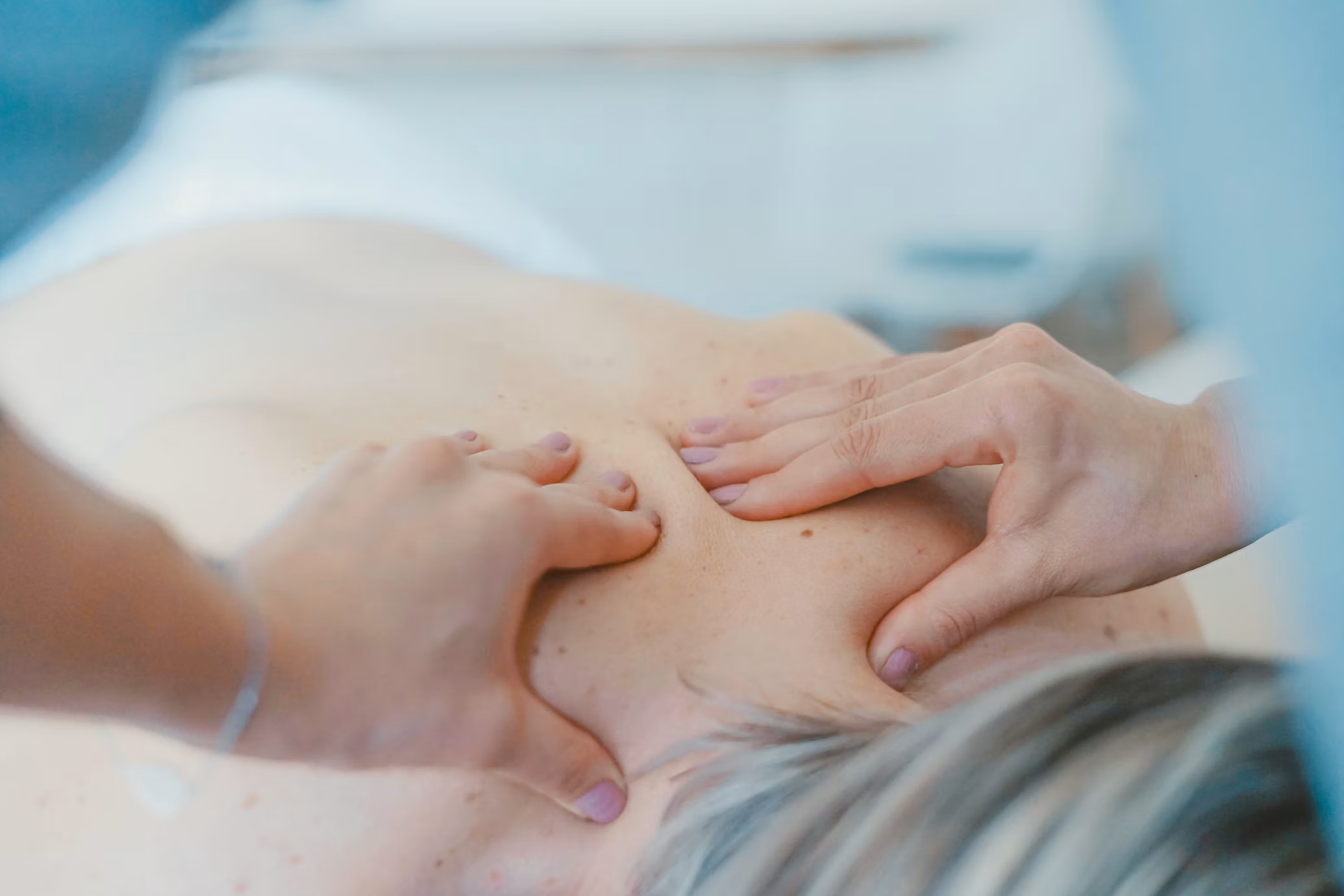
Acupuncture
A practice that runs alongside the work — understanding the body, attention to detail, patience with process.
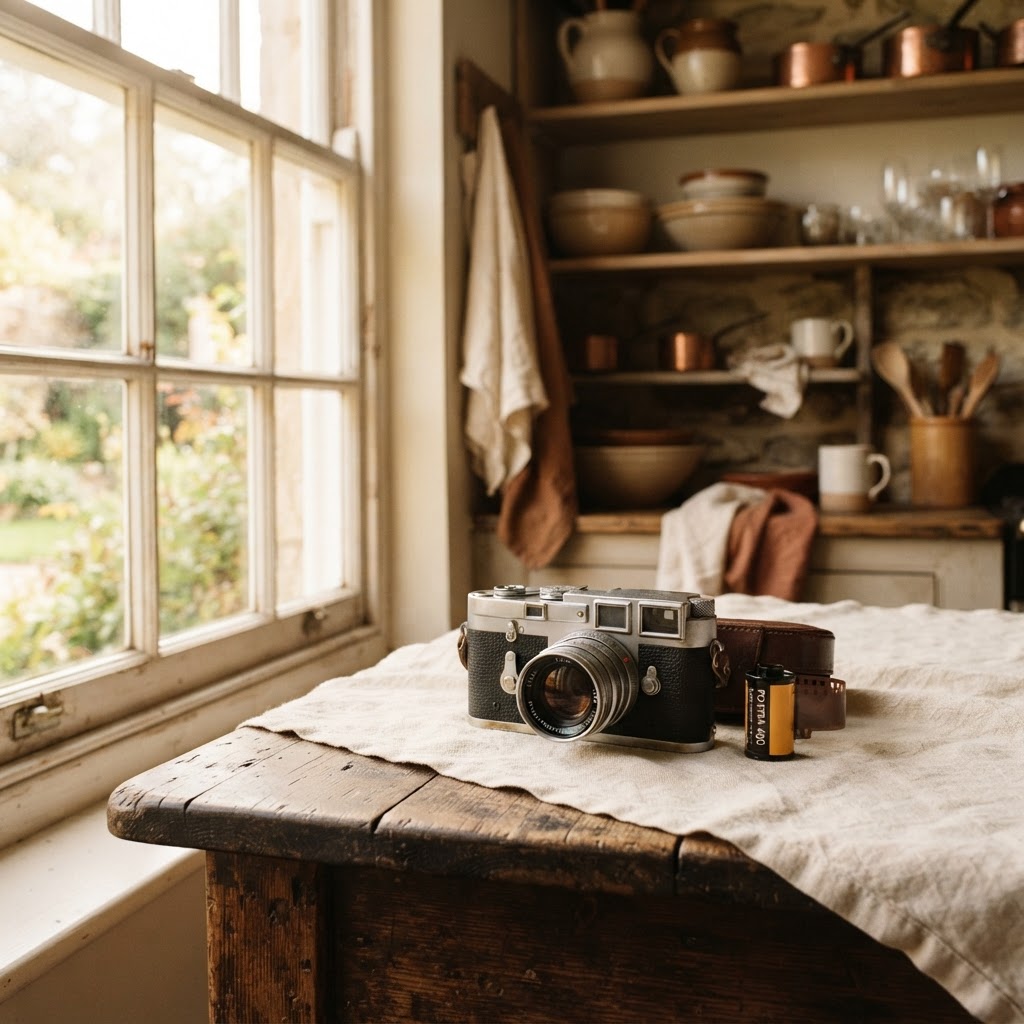
Photography
Many of the photos you see are mine. The cattle, the farm, the cuts on the board. Photography is how I pay attention.
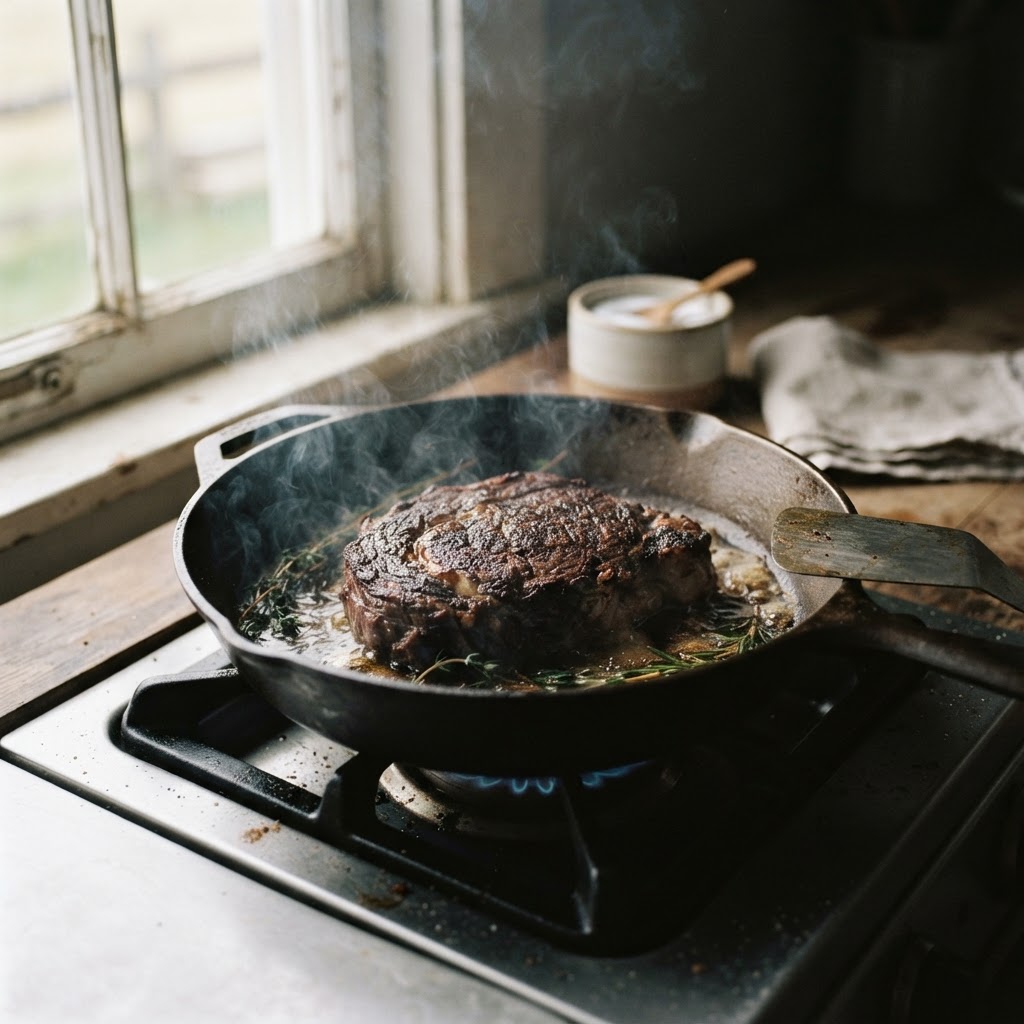
Cooking
I cook constantly. Every cut I sell, I've cooked myself — many times, many ways. You can't sell beef honestly if you don't know how it behaves in a pan.
Thank you
for being here.
Whether you're buying your first Beef Flight, filling your freezer, or joining the Reserve — I'm grateful you're here. I hope every meal reminds you that good food begins long before it reaches the table.