Your Cart
Your cart is empty
Browse the Market, explore Reserve selections, or discover a Beef Flight.
The Dairy Beef Difference
Dairy beef
from Oregon.
Animals already part of the dairy system, finished with care and presented with respect for flavor, structure, and full use.
The first question
Isn't dairy beef just leftover cattle?
That's the common assumption. I don't see these animals as leftovers. Dairy animals — Holsteins, Jerseys, and crosses — have a different fat structure than beef breeds. More intramuscular distribution, a different rendering behavior, a flavor that develops in the close rather than the hit.
When finished intentionally and processed with care, dairy beef is genuinely distinct. Not better by default — different. The fat is usually whiter and waxier than a beef breed. The flavor is often quieter on entry and longer on the finish. The dairy character, if present, is subtle and brief.
Vorfreude is built around the belief that mature dairy animals deserve assessment, care, and a better final use than disappearing into the commodity supply chain. The right animals are selected, aged with assessment, and presented honestly.
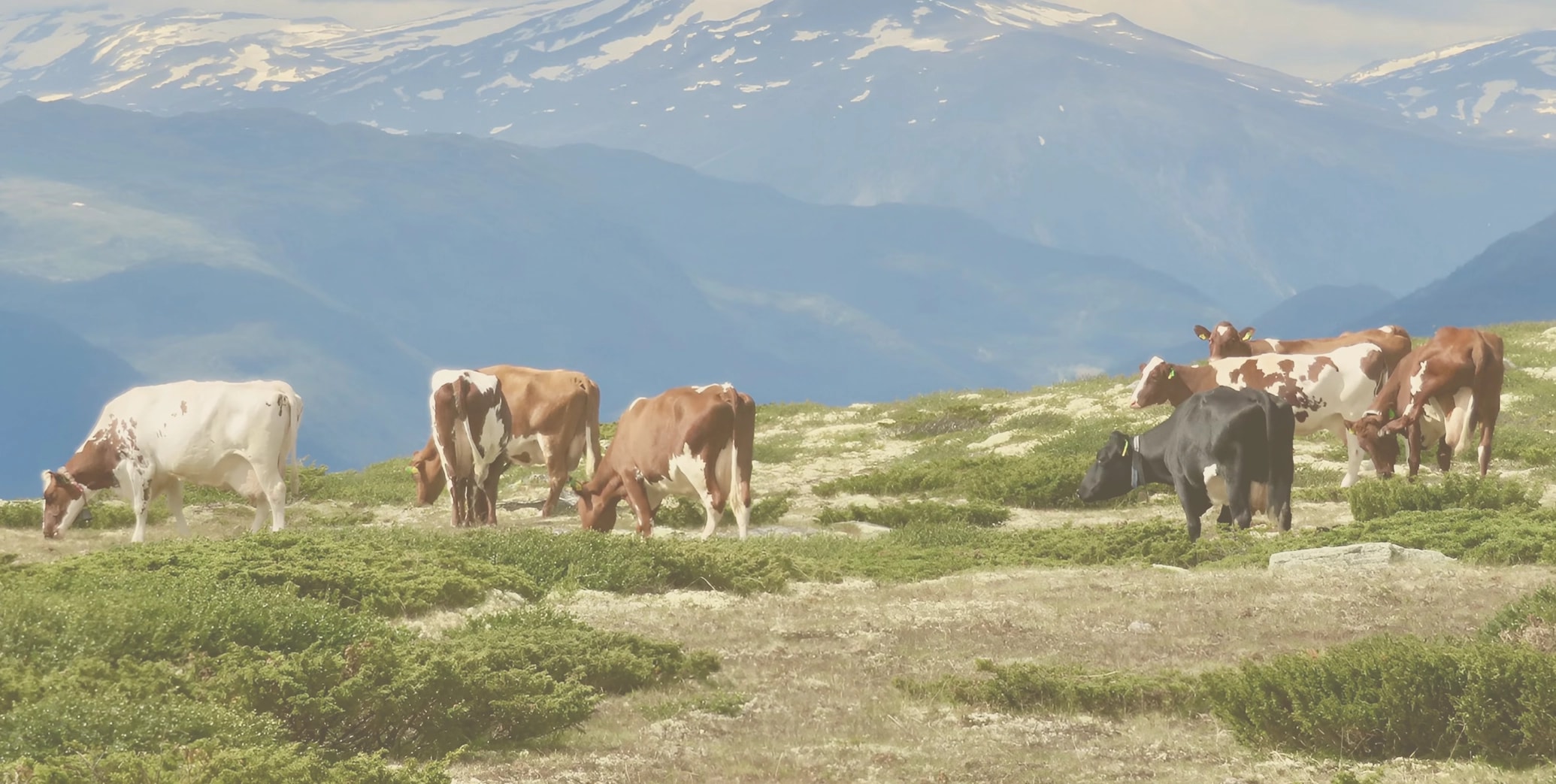
"The assessment starts long before processing. It starts with the decision to bring an animal in at all."
How it works
From dairy system to your freezer.
01
Dairy System Origin
Dairy beef begins in the dairy — animals that have been part of a working herd, raised on a nutritional program designed for milk production. When they leave the dairy system, they carry years of conditioning that gives their beef a distinct character. Most of it gets ground and disappears into the supply chain. Vorfreude takes it further.
02
Selection & Assessment
Not every animal from the dairy system makes it to the Vorfreude freezer. Each animal is assessed for body condition, fat cover, and overall structure. An animal that hasn't been finished well won't be presented as Reserve — it goes to Market, or it doesn't come through at all.
03
Oregon Sourcing
Vorfreude sources from Oregon dairy operations — farms in the Willamette Valley and surrounding region. The origin of every animal is known and traceable. That's not a marketing claim. It's the condition under which Vorfreude operates.
04
Processing with Intention
Processing is done at USDA-inspected facilities that handle small volumes with care. Every carcass is evaluated after processing. The aging decision is made based on what is observed — fat coverage, lean quality, structural condition — not a fixed schedule.
05
Aging & Assessment
Dry aging concentrates flavor and improves texture. Dairy animals age differently than beef breeds — their fat character, their lean density, and their finishing all affect the outcome. Each animal is assessed on its own terms. Reserve selections are dry-aged. Market cuts are handled appropriately to their use.
06
Full-Animal Use
Every part of the animal is accounted for: prime cuts to Reserve, everyday cuts and roasts to Market, bones and organs as provisions, fat rendered to tallow. Nothing is wasted. Nothing is incidental. The whole animal is the product.

Every part of the animal has a destination at Vorfreude. Steaks and premium cuts go to the Reserve. Everyday cuts, ground beef, and roasts go to Market. Bones go into the soup pot. Organs are available for the cook who uses them. The fat is rendered.
Vorfreude treats the animal as a whole — every part has a purpose and a place. Bones and organs are part of that whole, just as much as the familiar cuts. Tallow carries that same approach beyond the butcher case, making use of what the animal provides.
Where it comes from
Oregon dairy farms.
Animals we can trace.
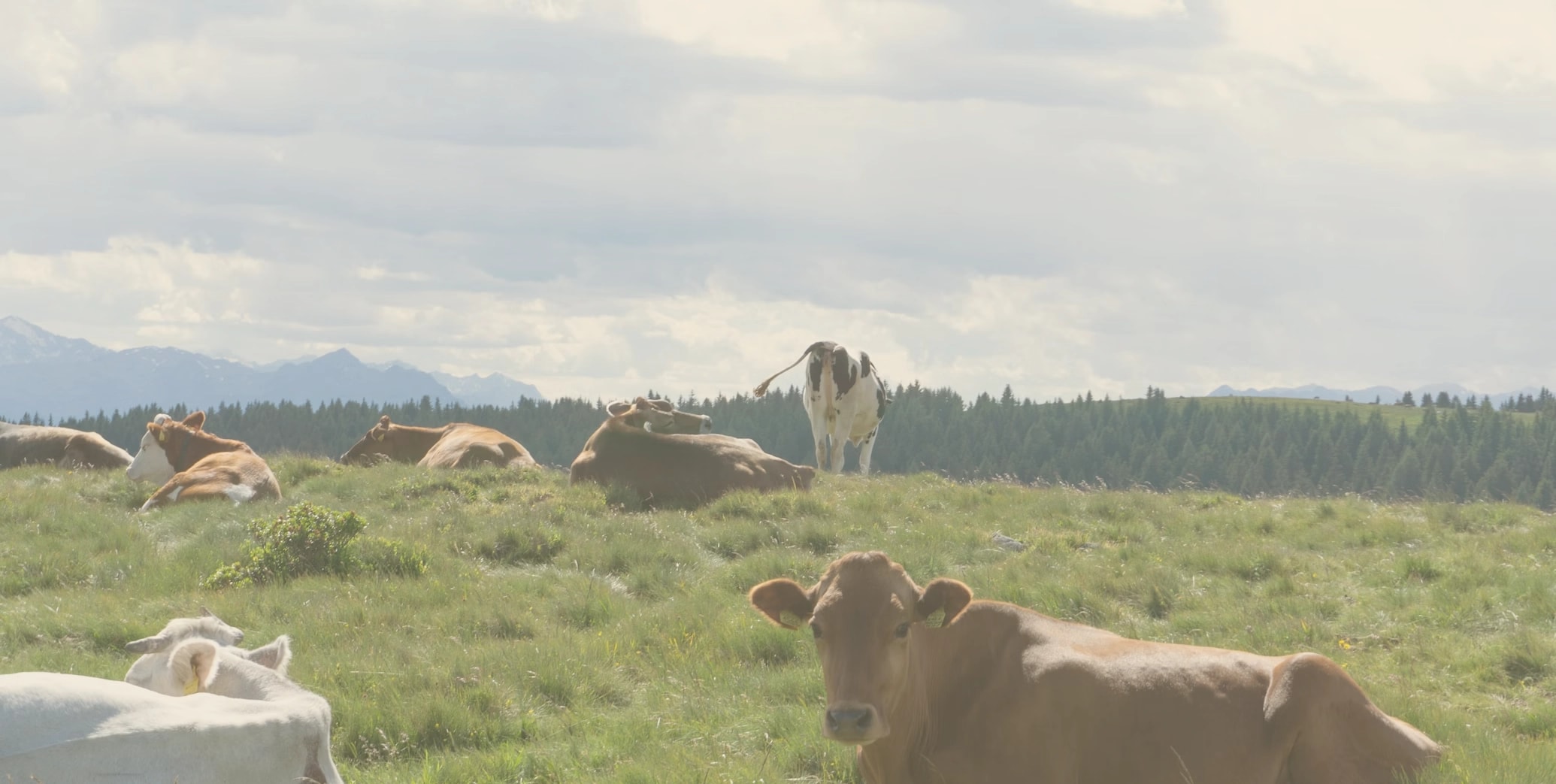
Oregon's dairy industry is active and well-regulated. Vorfreude sources from operations in the Willamette Valley and surrounding region — dairies that are known, within a supply system that can be understood and traced. Animal welfare standards and finish practices are assessed before an animal enters the process.
Sourcing
Oregon dairy operations, Willamette Valley and surrounding region
Breed
Primarily Holstein, some Jersey and Holstein cross
Finish
Grass, hay, and late hay finish depending on season and farm
Aging
Dry-aged per animal assessment, at processing partner facilities
Processing
USDA-inspected, small-volume facilities
Provenance
Full animal records available for all Reserve selections